


 Lal Kapda
 Peela Kapda
 Bhagwa Kapda
 Safed Kapda
 Kaala Kapda
 Mata ki Chunri

 Kala Dhaga
 Peela Dhaga
 Yagyopavit
 Kamalgatta Mala
 Tulsi Mala
 Sphatik Mala
 Rudraksha Mala
 Kalawa
 Tulsi Kanthi Mala
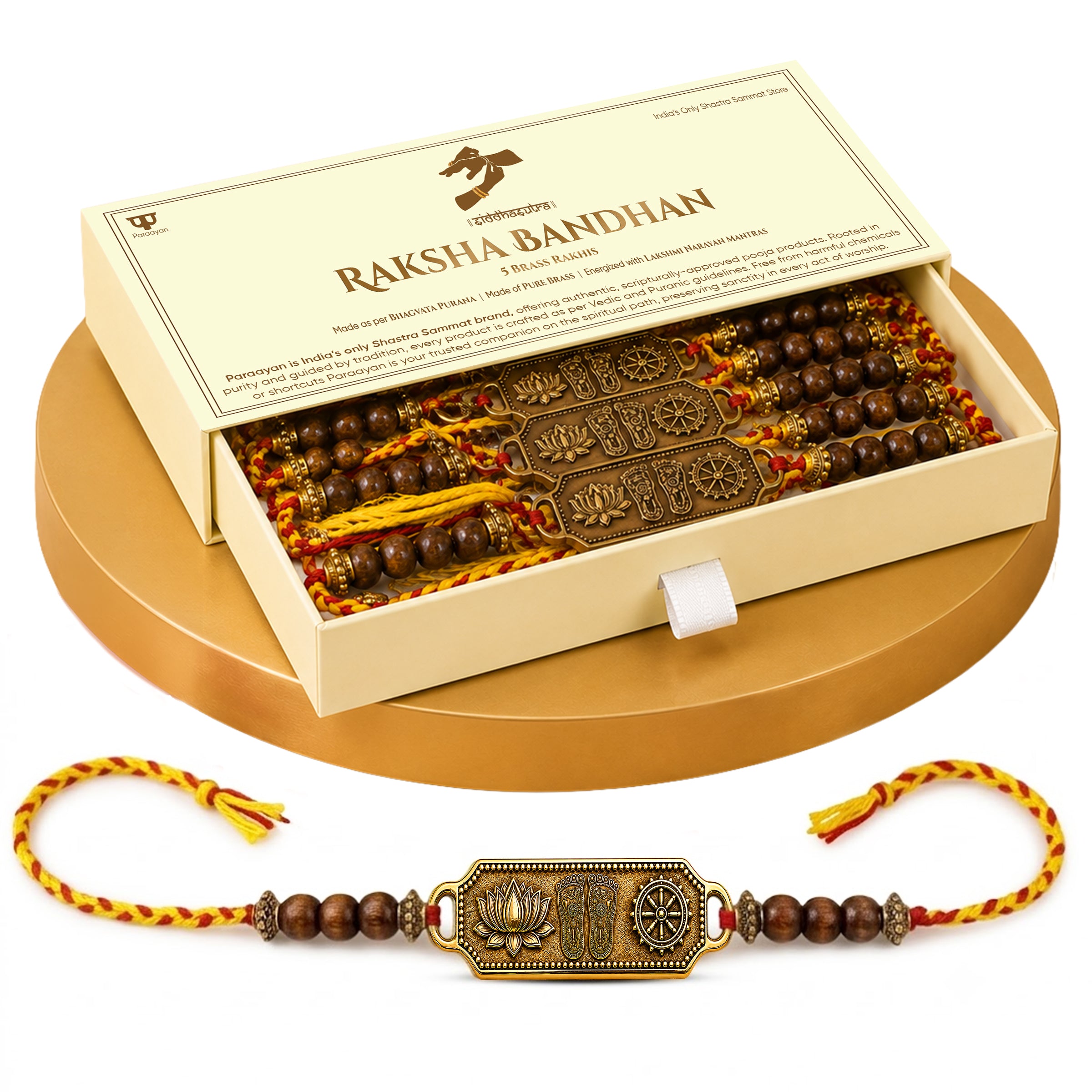 Brass Rakhi
 Ashtagandha Chandan
 Kumkum
 Bhasm Vibhuti
 Sindoor
  Gopi Chandan
 Gulal
Gulal
 Wet Dhoop
 Dhoop sticks
 Itra
Itra Dhoop Cones
 Akshat
 Long Cotton Wicks
 Navgrah Samidha
 Bhimseni Karpoor
 Pure Ghee Wicks
 Shodashratna Havan Samagri
  Long Cotton Wicks
 Round Cotton Wicks
 Shankha
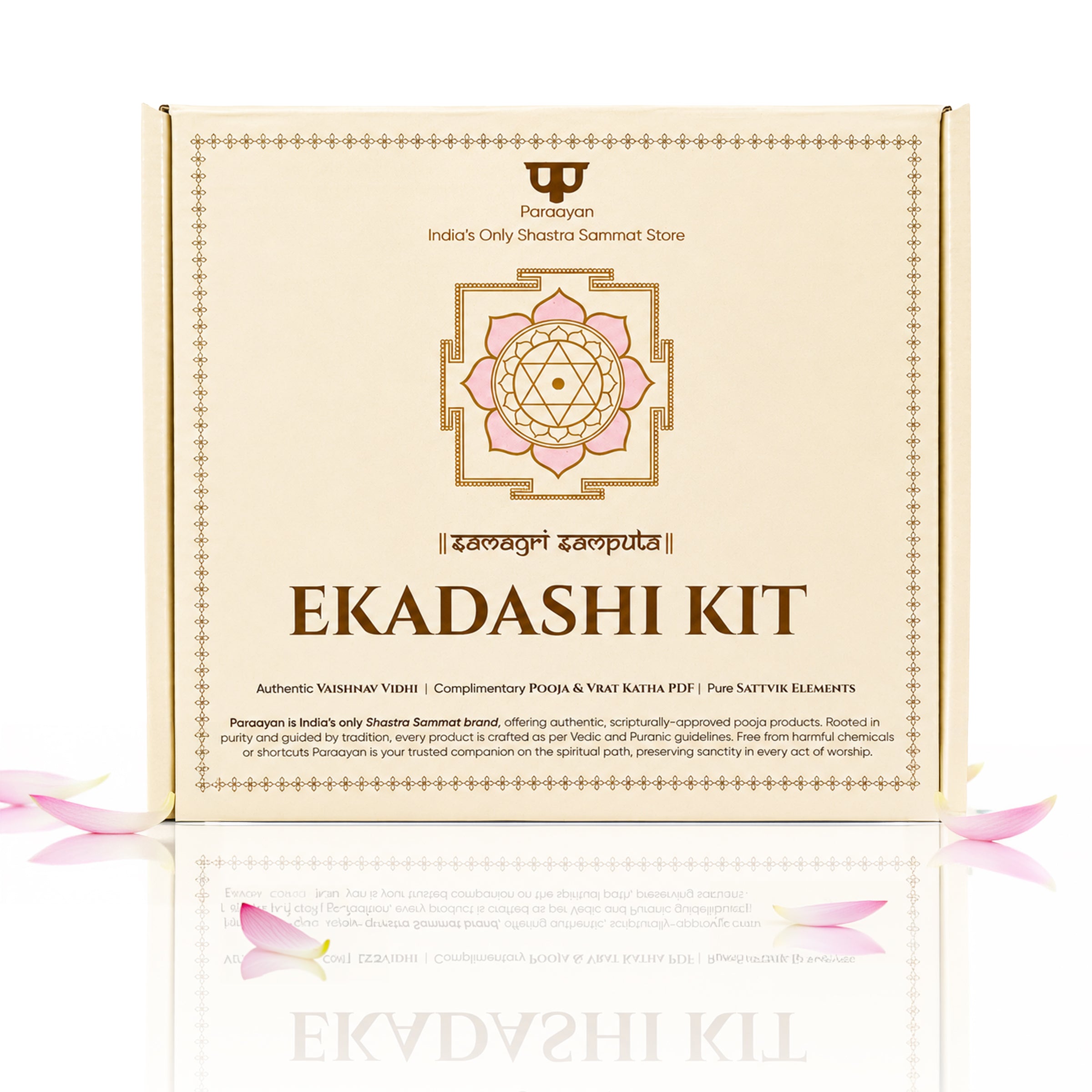 Ekadashi Puja Kit
 Ganesh Chaturthi Puja Kit


Discover the Divine Union of Energies as Masik Shivaratri Embodies the Sacred Convergence of Bhagwan Shiva’s Power and Goddess Shakti’s Graceful Essence.
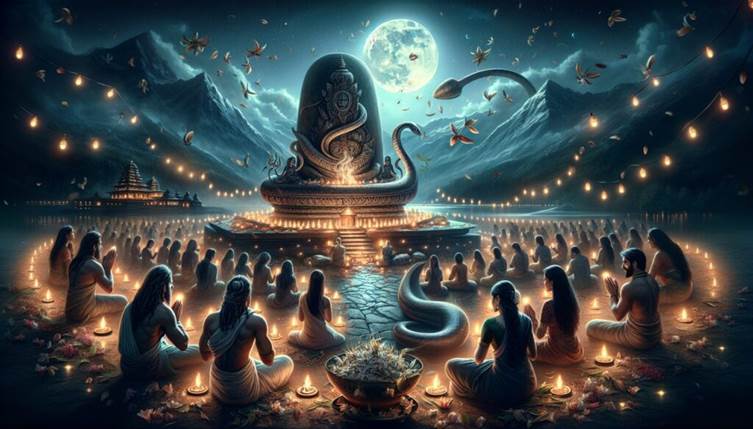
During Krishna Paksha, the dark fortnight of the lunar cycle, every month on the Chaturdashi Tithi, a major Hindu feast, Masik Shivaratri is observed. Because it commemorates the merger of Bhagwan Shiva and Goddess Shakti, the occasion holds great significance in Hinduism. Maha Shivaratri, the most auspicious of all Shivaratri festivals, is when the celebrations reach their peak, even though Masik Shivaratri occurs every month.
Maha Shivaratri: Variations Across Lunar Schools
The celebration of Maha Shivaratri, which falls once a year, differs based on two main lunar traditions in India: the Amanta and Purnimanta Schools. The Amanta School states that Maha Shivaratri takes place on the Chaturdashi Tithi of Krishna Paksha, which falls in the month of Magha. The Purnimanta School, on the other hand, celebrates Maha Shivaratri during the month of Phalguna. Both religions honour Bhagwan Shiva as the primary god and celebrate Shivaratri on the same day, despite the different lunar month. The two schools’ different methods for calculating lunar months are the cause of this discrepancy in naming practices.
The Mythological Significance of Maha Shivaratri
In Indian mythology, the night of Maha Shivaratri holds profound significance. It is believed that at midnight, Bhagwan Shiva appeared in the form of a Shiva Linga, an iconic symbol of his divine presence. According to the scriptures, Bhagwan Vishnu and Bhagwan Brahma were the first to worship the Shiva Linga. Thus, Maha Shivaratri is also regarded as the “birthday” of Bhagwan Shiva. Worshipping the Shiva Linga during this time is considered auspicious, as it is believed to bring blessings from Bhagwan Shiva.
Shivaratri Vrat: Its Historical Origins
The Shivaratri Vrat, or fasting, has a long history; allusions to it may be found in a number of Hindu Puranic texts. In order to get Bhagwan Shiva’s blessings, devotees follow the Vrat. Since Bhagwan Shiva is said to be more responsive to his followers’ prayers on this day, it is considered that the penance and devotion practiced by worshippers are especially powerful during Shivaratri.
Historical texts mention that even revered deities like Goddess Lakshmi, Goddess Saraswati, Goddess Gayatri, and others, including Sita and Parvati, observed the Shivaratri Vrat. This practice has transcended centuries, and its significance remains unchanged even today. Many people, particularly women, continue to observe this fast, seeking various blessings such as marital bliss, peace, and prosperity in their lives.
Observing the Masik Shivaratri Vrat
For those wishing to observe the Masik Shivaratri Vrat, it is ideal to begin from Maha Shivaratri and continue for a full year. It is believed that observing this fast with dedication and discipline can help in achieving goals that seem impossible to accomplish. By the grace of Lord Shiva, devotees believe they can overcome obstacles in their lives and fulfil their desires.
Fasting on Shivaratri requires the devotee to remain awake and engaged in prayers throughout the night, particularly during the midnight hours, known as Nishita Kaal. Devotees perform elaborate Shiva Puja, which includes the chanting of mantras and offering of flowers, fruits, and bilva leaves to the Shiva Linga. It is also recommended to recite sacred hymns such as the Rudram and the Lingashtakam during this time.
The Significance of Shivaratri for Women
In particular, women observe Shivaratri with great devotion. Unmarried women fast to seek the blessings of Bhagwan Shiva for a prosperous marriage. They believe that fasting and praying on this sacred night will help them find a suitable life partner. On the other hand, married women observe the fast to maintain harmony and peace in their married life. The Vrat is believed to bring marital bliss and ensure a strong, lasting bond between spouses.
Masik Shivaratri’s auspiciousness on Tuesdays
A Tuesday Masik Shivaratri is seen as very fortunate. Tuesdays are considered to be potent days for spiritual activities since they are devoted to Bhagwan Shiva and Bhagwan Hanuman. The advantages of fasting and prayer on a Tuesday are considered to be greater when Shivaratri falls on a Tuesday. Which makes it the perfect time for followers to ask for blessings for good health, wealth, and spiritual advancement.
Conclusion
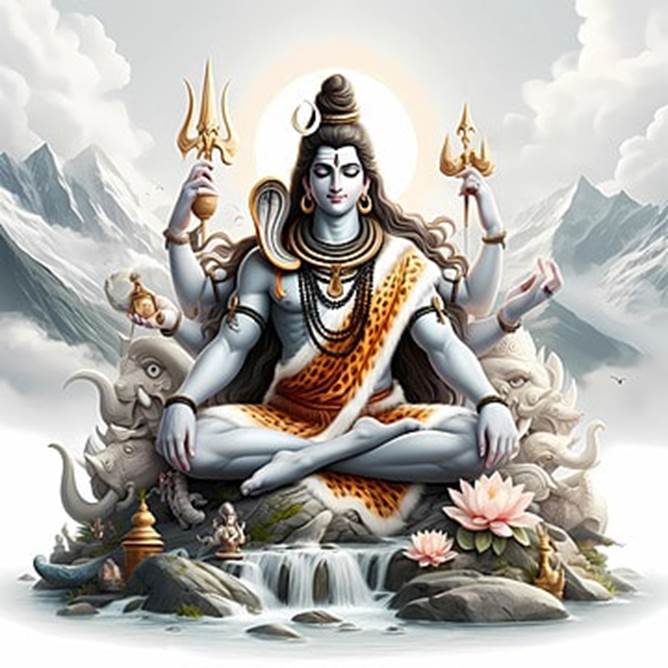
The festival of Masik Shivaratri brings Bhagwan Shiva and his followers together in a revered observance of faith, devotion, and spiritual enlightenment. Shivaratri Vrat is an ancient custom that still has a significant impact on the lives of millions of Hindus worldwide, especially during the holy Maha Shivaratri. The festival highlights the significance of Bhagwan Shiva in the spiritual life of his devotees and the strength of devotion, regardless of whether it is celebrated in the Amanta or Purnimanta traditions.
Devotees seek the blessings of Bhagwan Shiva for personal development, spiritual enlightenment, and general well-being by staying up, fasting, and praying throughout the holy night of Shivaratri.


