


 Lal Kapda
 Peela Kapda
 Bhagwa Kapda
 Safed Kapda
 Kaala Kapda
 Mata ki Chunri

 Kala Dhaga
 Peela Dhaga
 Yagyopavit
 Kamalgatta Mala
 Tulsi Mala
 Sphatik Mala
 Rudraksha Mala
 Kalawa
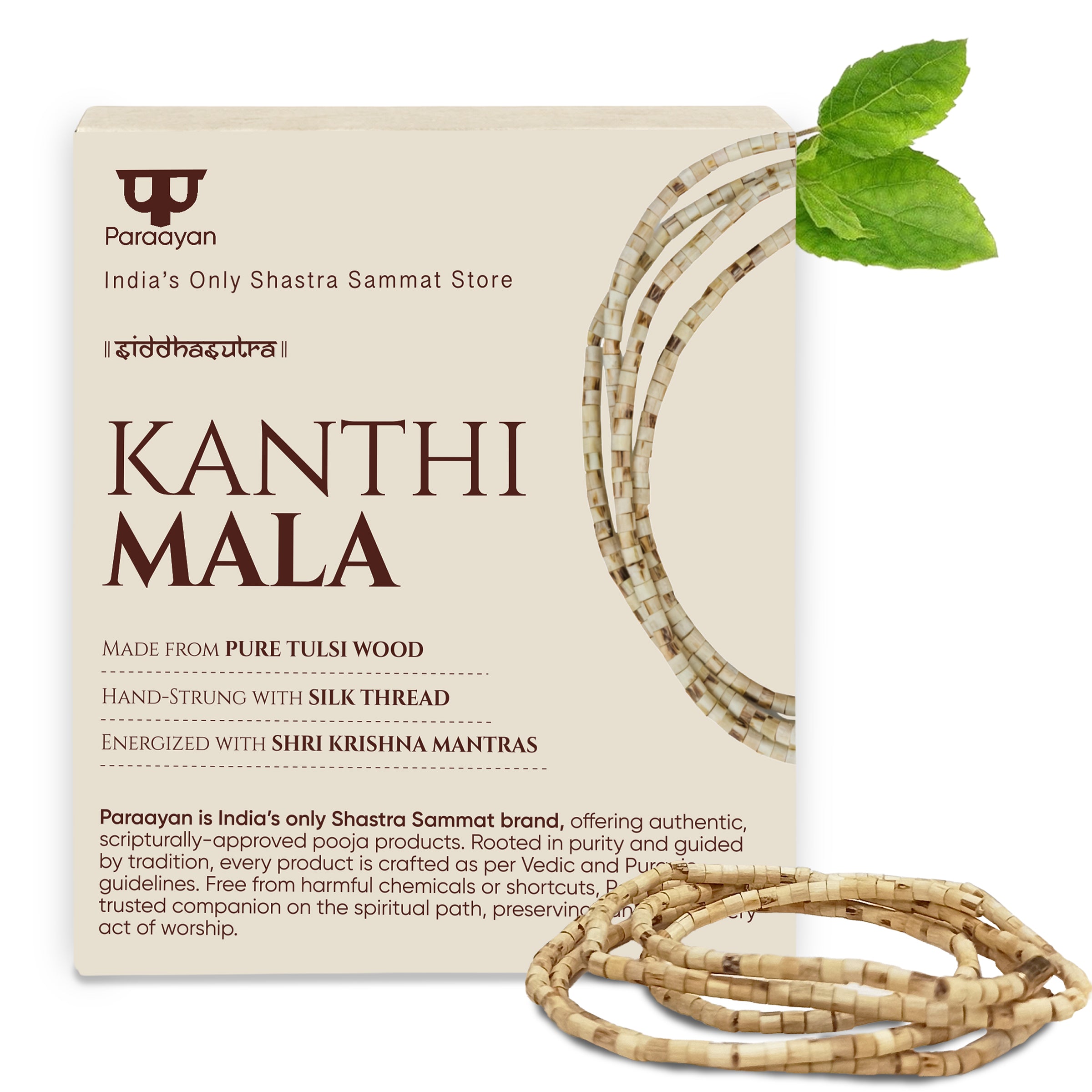 Tulsi Kanthi Mala
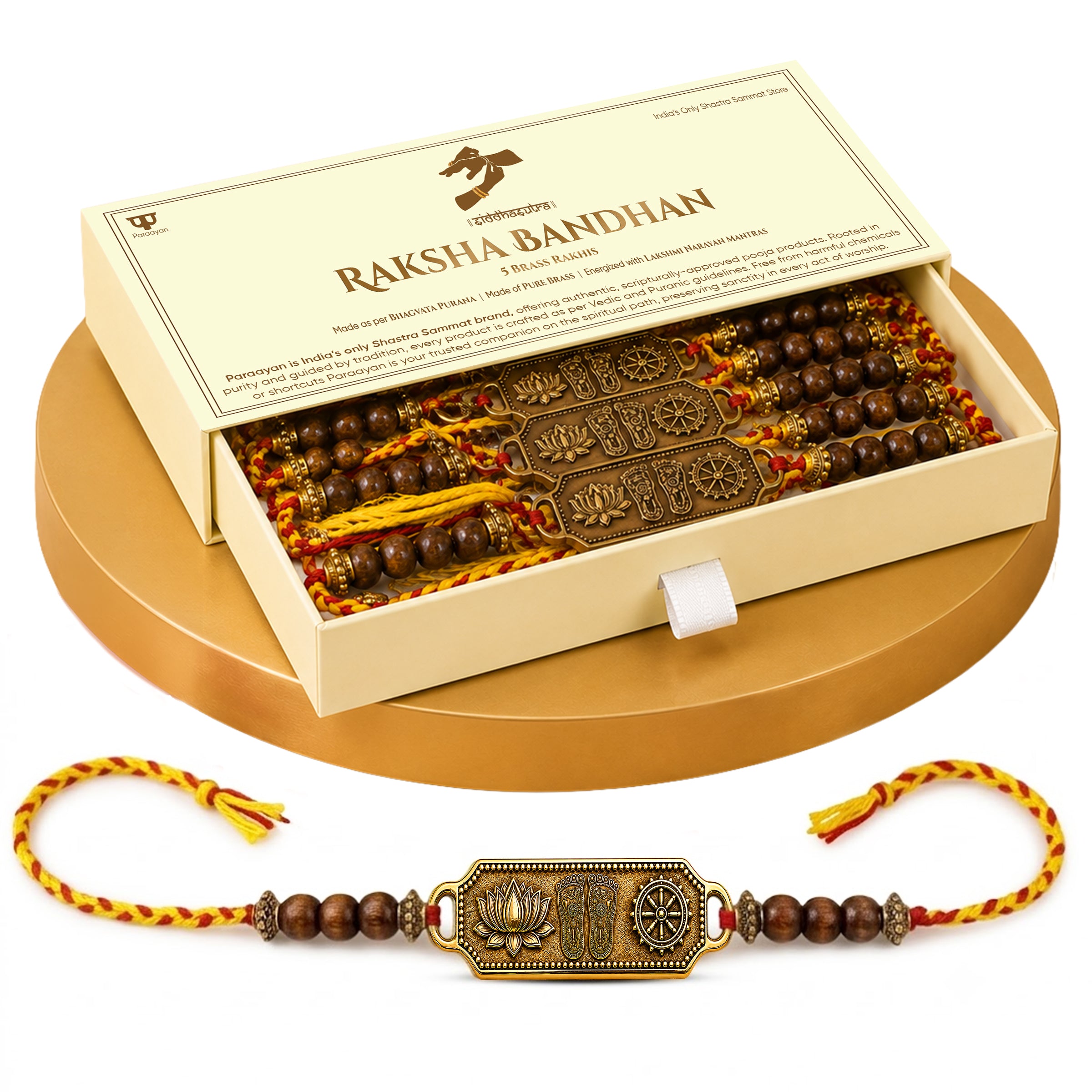 Brass Rakhi
 Ashtagandha Chandan
 Kumkum
 Bhasm Vibhuti
 Sindoor
  Gopi Chandan
 Gulal
Gulal
 Wet Dhoop
 Dhoop sticks
 Itra
Itra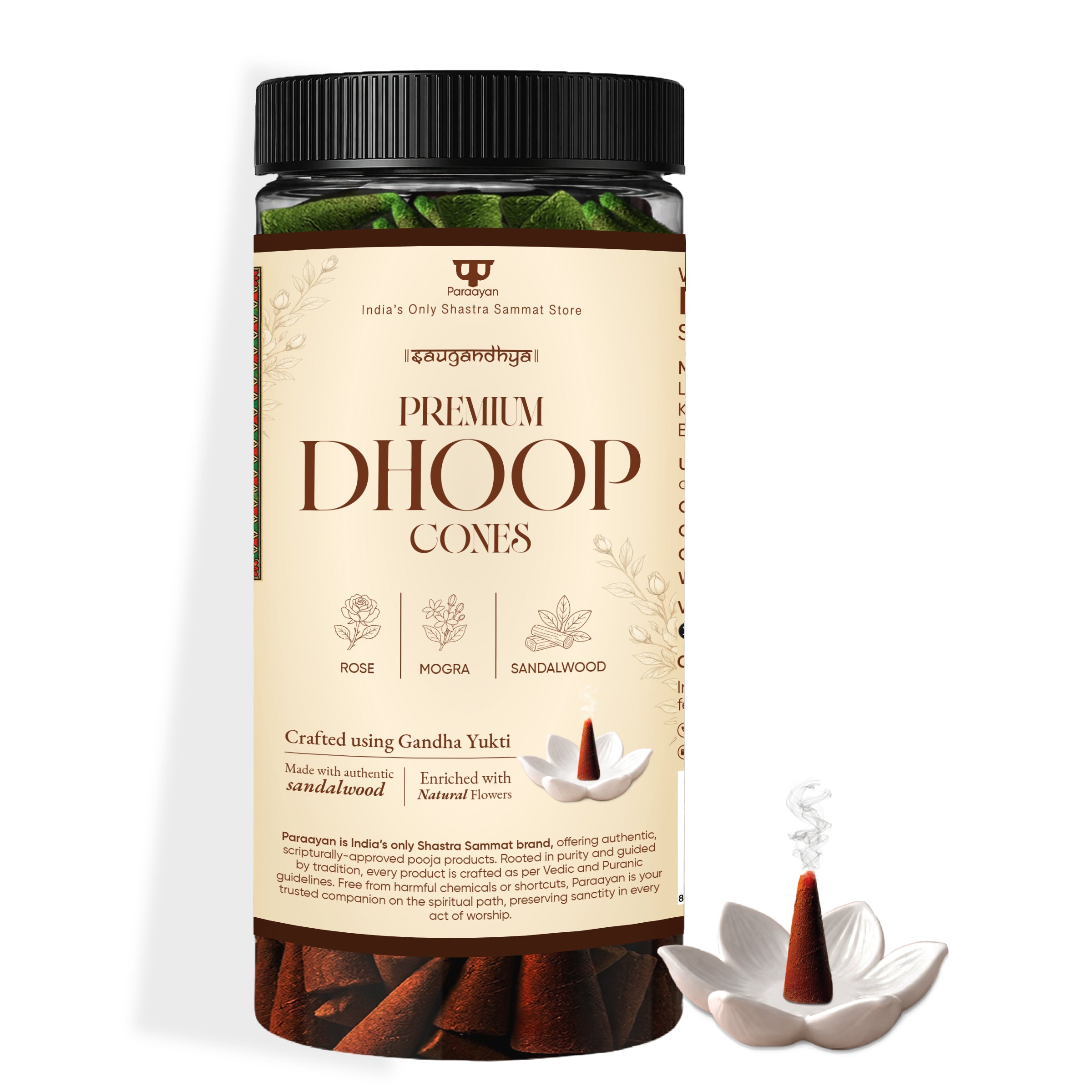 Dhoop Cones
 Akshat
 Long Cotton Wicks
 Navgrah Samidha
 Bhimseni Karpoor
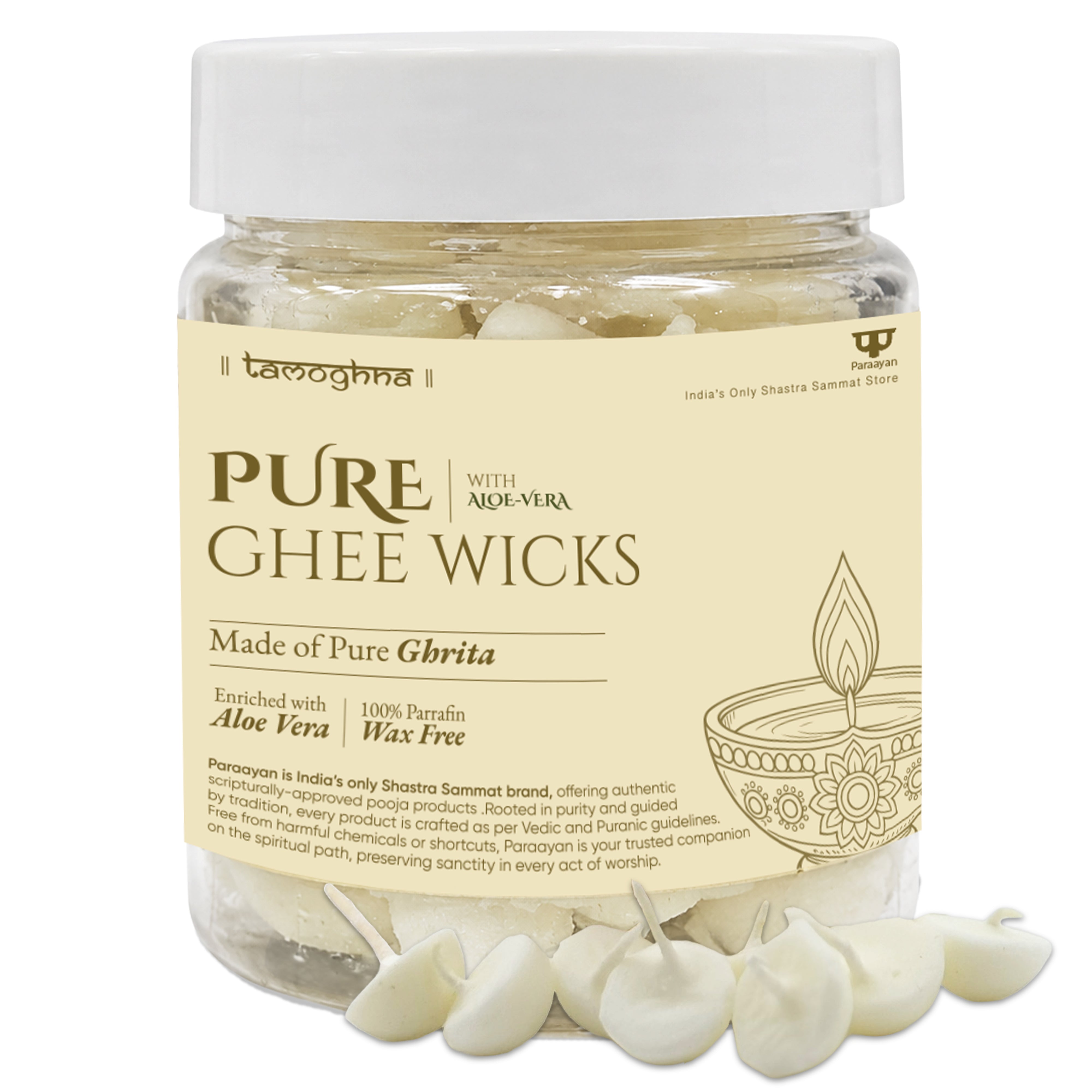 Pure Ghee Wicks
 Shodashratna Havan Samagri
  Long Cotton Wicks
 Round Cotton Wicks
 Shankha
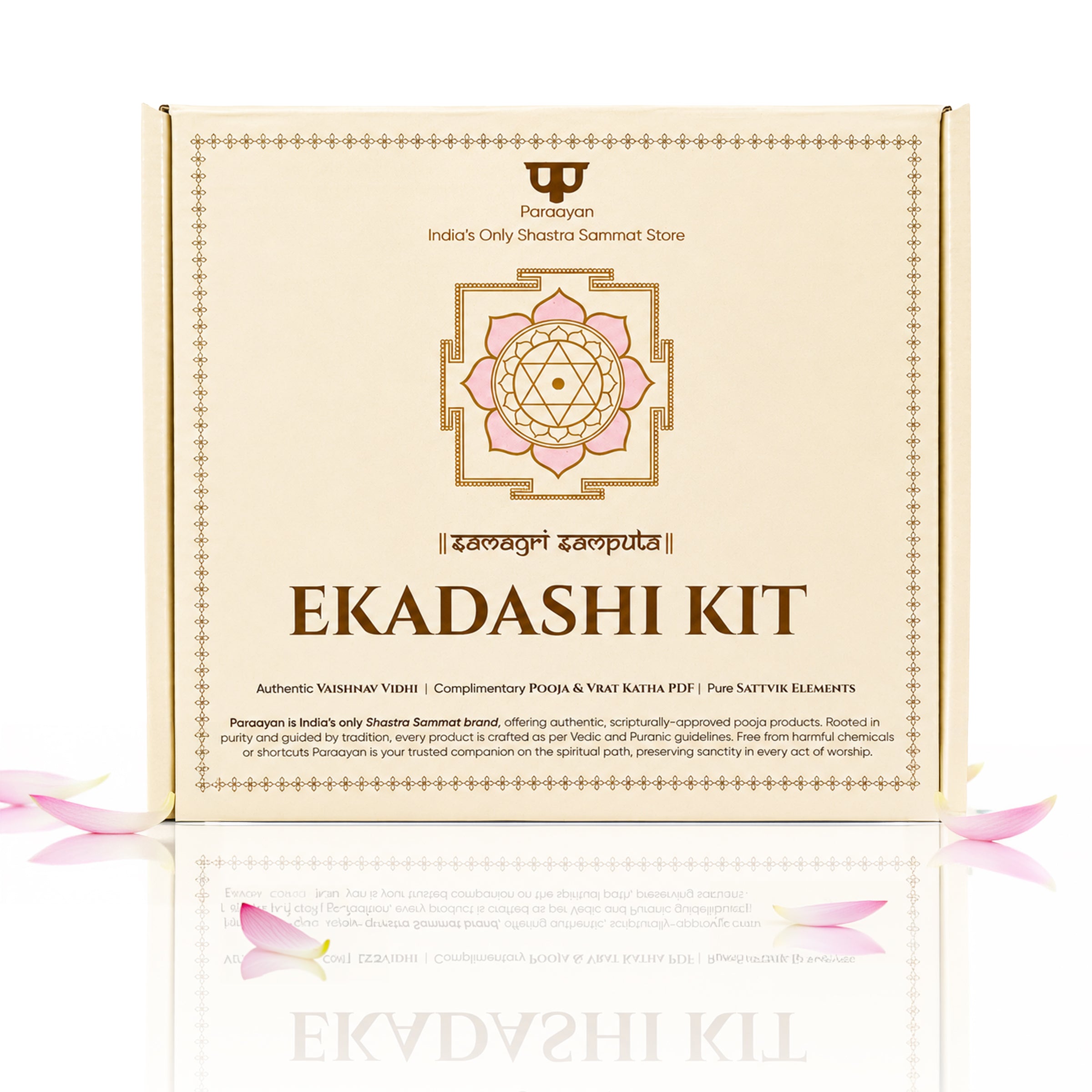 Ekadashi Puja Kit


FAQs
What is Siddhasutra?
Siddhasutra is Paraayan’s spiritual category featuring sacred threads, malas, and traditional devotional essentials used in pooja, meditation, mantra chanting, and Vedic rituals. Tap the link to buy the product.
Which products are included in the Siddhasutra category?
The category includes Tulsi Mala, Rudraksha Mala, Sphatik Mala, Kamalgatta Mala, Kalawa, Kala Dhaga, Peela Dhaga, and Yagyopavit. Tap the link to buy the product.
Are Siddhasutra products suitable for daily pooja?
Yes. These products are designed for regular pooja, chanting, meditation, and spiritual practices. Tap the link to buy the product.
Are the materials used natural?
Yes. Paraayan focuses on natural and traditionally preferred materials like cotton, Tulsi wood, Rudraksha seeds, crystal, and sacred threads. Tap the link to buy the product.
Are these products suitable for both men and women?
Yes. Most Siddhasutra products can be used by both men and women unless specific traditions state otherwise. Tap the link to buy the product.
Can beginners use these spiritual products?
Absolutely. Siddhasutra products are suitable for beginners as well as experienced practitioners. Tap the link to buy the product.
What are malas generally used for?
Malas are commonly used for mantra chanting, meditation, concentration, mindfulness, and devotional practices. Tap the link to buy the product.
What is the significance of 108 beads in malas?
Traditionally, 108 is considered a sacred spiritual number used for mantra counting and meditation practices. Tap the link to buy the product.
Are these products suitable for gifting?
Yes. Siddhasutra products make meaningful gifts for spiritual seekers, devotees, family members, and loved ones. Tap the link to buy the product.
Can these products be used in home mandirs?
Yes. They are suitable for home temples, pooja rooms, and devotional spaces. Tap the link to buy the product.
Are Siddhasutra products suitable for temple rituals?
Yes. Many of these products are commonly used in temples, havans, and traditional ceremonies. Tap the link to buy the product.
What is Kalawa used for?
Kalawa or Mauli is traditionally tied during pooja, vrat, havan, Sankalp, and spiritual ceremonies. Tap the link to buy the product.
What is the use of Rudraksha Mala?
Rudraksha Mala is traditionally used for Shiva mantra chanting, meditation, and spiritual discipline. Tap the link to buy the product.
What is Sphatik Mala used for?
Sphatik Mala is commonly used for meditation, peaceful chanting, and spiritual clarity practices. Tap the link to buy the product.
What is Kamalgatta Mala traditionally associated with?
Kamalgatta Mala is traditionally associated with Lakshmi sadhana and devotional chanting. Tap the link to buy the product.
What is Yagyopavit used for?
Yagyopavit, also known as Janeu, is a sacred thread traditionally worn during spiritual and Vedic practices. Tap the link to buy the product.
What is the significance of Kala Dhaga?
Kala Dhaga is traditionally worn as a protective sacred thread in various spiritual customs. Tap the link to buy the product.
What is Peela Dhaga generally used for?
Peela Dhaga is commonly used in spiritual rituals, vrat ceremonies, and deity worship. Tap the link to buy the product.
Are these products handmade?
Many Siddhasutra products are crafted using traditional methods and devotional craftsmanship. Tap the link to buy the product.
Are the threads made using synthetic materials?
Paraayan focuses on natural cotton-based sacred threads instead of synthetic alternatives wherever applicable. Tap the link to buy the product.
Can these products be worn daily?
Many Siddhasutra products are suitable for regular spiritual use and daily wearing. Tap the link to buy the product.
Are these products spiritually themed or decorative?
These products are primarily created for spiritual and devotional usage. Tap the link to buy the product.
Can children use Siddhasutra products?
Certain products like Kalawa and malas can be used by children under family guidance and tradition. Tap the link to buy the product.
Are these products suitable for meditation routines?
Yes. Malas and sacred threads are widely used in meditation and mindfulness practices. Tap the link to buy the product.
Can Siddhasutra products be used during festivals?
Yes. They are commonly used during festivals, vrat, havan, and traditional ceremonies. Tap the link to buy the product.
Are these products inspired by traditional Hindu practices?
Yes. The category is rooted in traditional Hindu spiritual customs and devotional practices. Tap the link to buy the product.
Can these products be used during Navratri and Ekadashi rituals?
Yes. Siddhasutra products are suitable for many devotional observances and festival rituals. Tap the link to buy the product.
Are the malas suitable for mantra counting?
Yes. Most malas are designed specifically for traditional mantra jaap practices. Tap the link to buy the product.
Can these products be used by yoga practitioners?
Yes. Meditation malas are often used during yoga, breathing exercises, and mindfulness sessions. Tap the link to buy the product.
How should spiritual malas be stored?
They should ideally be kept in a clean and respectful place such as a pooja area or cloth pouch. Tap the link to buy the product.
Are the products comfortable for long-duration use?
Yes. They are designed to support regular spiritual and devotional practices comfortably. Tap the link to buy the product.
Can these products be included in pooja kits?
Yes. Siddhasutra products are commonly included in personal and temple pooja kits. Tap the link to buy the product.
Are these products suitable for pilgrimage travel?
Yes. Most products are lightweight and easy to carry during yatras and spiritual travel. Tap the link to buy the product.
Do these products support mindful living practices?
Many devotees use malas and sacred threads as part of meditation and mindful spiritual routines. Tap the link to buy the product.
Are Siddhasutra products suitable for all age groups?
Yes. Different products in the category can be used by people of various age groups. Tap the link to buy the product.
Are these products intended only for religious use?
While rooted in spirituality, many people also use them for meditation, mindfulness, and personal discipline. Tap the link to buy the product.
What makes Paraayan Siddhasutra products different?
Paraayan emphasizes traditional craftsmanship, spiritually aligned preparation, and authentic materials. Tap the link to buy the product.
Are the malas lightweight and easy to handle?
Yes. They are designed for comfortable chanting and meditation use. Tap the link to buy the product.
Can these products help build a regular spiritual routine?
Many users incorporate Siddhasutra products into their daily pooja and meditation schedules. Tap the link to buy the product.
Are these products suitable for Sankalp and vrat rituals?
Yes. Sacred threads and malas are commonly used during Sankalp and vrat observances. Tap the link to buy the product.
Can these products be used during Grah Shanti rituals?
Yes. Several Siddhasutra products are suitable for Grah Shanti and Navgrah rituals. Tap the link to buy the product.
Are these products appropriate for devotional gifting during festivals?
Yes. They are meaningful gifts during Mahashivratri, Janmashtami, Raksha Bandhan, Diwali, and other festivals. Tap the link to buy the product.
Can malas from this category be worn around the neck?
Yes. Many malas are traditionally worn as devotional accessories. Tap the link to buy the product.
Are Siddhasutra products suitable for peaceful chanting sessions?
Yes. The products are designed to support devotional focus and spiritual discipline. Tap the link to buy the product.
Are these products aligned with traditional pooja practices?
Yes. The category is built around traditionally respected spiritual usage. Tap the link to buy the product.
Can these products be used during havan and yagya ceremonies?
Yes. Sacred threads and related items are commonly used during Vedic rituals. Tap the link to buy the product.
Are the products designed for repeated spiritual use?
Yes. They are crafted to support long-term devotional and ritual practices. Tap the link to buy the product.
Can these products be used in both personal and temple worship?
Yes. They are suitable for individual devotion as well as ceremonial worship. Tap the link to buy the product.
Why do devotees use malas during meditation?
Malas help maintain focus, counting rhythm, and consistency during mantra repetition and meditation. Tap the link to buy the product.
What do customers generally appreciate about Siddhasutra products?
Customers commonly appreciate the authentic feel, traditional craftsmanship, spiritual relevance, and daily usability of the products. Tap the link to buy the product.
Is this cloth made from pure cotton?
Yes. Paraayan Nav-Vastra is made from pure cotton and is completely free from nylon, polyester, terylene, or synthetic blends. Tap the link to buy the product.
Is this cloth handwoven?
Yes. Each cloth is handwoven by skilled women artisans with care and traditional craftsmanship. Tap the link to buy the product.
Is this cloth machine-made?
No. It is handwoven to preserve authenticity and traditional craftsmanship. Tap the link to buy the product.
Why is synthetic-free cloth important in puja?
Natural cotton is considered more sattvic and suitable for religious rituals. Synthetic fabrics can feel artificial and are generally avoided in traditional worship practices. Tap the link to buy the product.
What is the size of this pooja cloth?
The cloth comes in a 1.25 meter length, which is suitable for multiple puja and offering purposes. Tap the link to buy the product.
Can I cut the cloth according to my requirement?
Yes. Many devotees cut the cloth into smaller Vastra or Upvastra pieces depending on the deity and ritual. Tap the link to buy the product.
Is this cloth thick or transparent?
The fabric is thick, durable, and premium in feel. It is not flimsy or see-through. Tap the link to buy the product.
Is this product lightweight?
Yes. The cloth weighs approximately 70 grams, making it easy to fold, store, and carry. Tap the link to buy the product.
Does this cloth have any printed designs?
No. The cloth maintains a simple and traditional appearance suitable for sacred rituals. Tap the link to buy the product.
Is this cloth washable?
Yes. You can gently hand wash it to maintain its purity and fabric quality. Tap the link to buy the product.
Will the color fade after use?
The fabric is designed to be colorfast and durable for repeated ritual use when handled properly. Tap the link to buy the product.
Can I use this cloth in my home mandir?
Yes. It is specially designed for home temples, puja spaces, and daily devotional use. Tap the link to buy the product.
Is this cloth suitable for temple use?
Yes. Its durable cotton quality makes it suitable for both home shrines and temple rituals. Tap the link to buy the product.
Is this suitable for daily puja?
Yes. Its strong cotton weave makes it suitable for both daily worship and special rituals. Tap the link to buy the product.
Can I place idols on this cloth?
Yes. Many devotees use it as an aasana or base cloth beneath idols, kalash, and puja items. Tap the link to buy the product.
Can I use this cloth for kalash decoration?
Yes. It can be used for kalash wrapping, chowki decoration, and other traditional puja arrangements. Tap the link to buy the product.
Can I use this cloth for daan?
Yes. It is ideal for Vastra daan and religious offerings during rituals, festivals, and special occasions. Tap the link to buy the product.
Can I reuse this cloth after puja?
Yes. The durable cotton fabric allows repeated use for rituals and festive occasions. Tap the link to buy the product.
Is this cloth suitable for gifting?
Yes. It makes a thoughtful and devotional gift for devotees, family members, and temple use. Tap the link to buy the product.
Does the cloth feel premium?
Yes. Customers often mention its rich color, thick fabric, and premium feel during worship. Tap the link to buy the product.
Is this cloth spiritually appropriate for sacred rituals?
Yes. It is crafted keeping traditional devotional use in mind with natural cotton and handwoven preparation. Tap the link to buy the product.
What do customers like most about this product?
Customers appreciate the rich color, premium fabric quality, durability, and traditional feel during puja rituals. Tap the link to buy the product.
What makes Paraayan Nav-Vastra different from normal fabric?
Paraayan Nav-Vastra is specially crafted for puja use using pure cotton, traditional weaving methods, and devotional preparation instead of decorative synthetic fabric. Tap the link to buy the product.
What is the purpose of using dhoop during pooja?
Dhoop is traditionally used to create a sacred and devotional atmosphere during worship, prayer, meditation, and spiritual practices. Tap the link to buy the product.
Why are fragrances used in spiritual rituals?
Fragrances help create a pleasant environment, enhance focus during worship, and are traditionally offered as a form of devotion. Tap the link to buy the product.
Can fragrance products be used outside of pooja?
Yes, many people use them during meditation, yoga, mantra chanting, or simply to create a peaceful ambiance. Tap the link to buy the product.
What is the difference between dhoop and incense sticks?
Dhoop generally produces a richer and denser aroma, while incense sticks tend to burn more gradually with lighter smoke. Tap the link to buy the product.
What is wet dhoop?
Wet dhoop is a soft aromatic paste traditionally used during worship that releases fragrance when burned. Tap the link to buy the product.
What are dhoop cones?
Dhoop cones are cone-shaped aromatic products designed to provide a concentrated fragrance experience while burning. Tap the link to buy the product.
What is itra?
Itra is a traditional concentrated fragrance made from aromatic ingredients and commonly used in pooja and devotional practices. Tap the link to buy the product.
Is itra the same as perfume?
No. Traditional itra is generally associated with natural fragrance traditions and devotional use, whereas perfumes are primarily designed for personal fragrance. Tap the link to buy the product.
When should dhoop be offered during pooja?
It is usually offered during or after the main worship rituals as part of the devotional offerings. Tap the link to buy the product.
Can dhoop be used during aarti?
Yes, dhoop is commonly used before or during aarti in many traditions. Tap the link to buy the product.
Can I use dhoop every day?
Yes, many devotees use dhoop daily during morning and evening prayers. Tap the link to buy the product.
Can fragrance products be used during meditation?
Yes, many people use aromatic products to create a calming environment for meditation. Tap the link to buy the product.
Can I use more than one fragrance at a time?
Yes, although many users prefer one fragrance at a time for a more distinct aromatic experience. Tap the link to buy the product.
How long should dhoop be burned?
This depends on the product type, size, and personal preference. Tap the link to buy the product.
Can fragrance offerings be used in temples and homes?
Yes, they are commonly used in both homes and places of worship. Tap the link to buy the product.
How is wet dhoop different from dhoop cones?
Wet dhoop is generally a soft aromatic paste, while dhoop cones come in a pre-shaped cone form. Tap the link to buy the product.
Does wet dhoop require a holder?
It is typically burned on a heat-resistant surface or designated dhoop burner. Tap the link to buy the product.
Can wet dhoop be used for havan or yajna?
Many devotees use aromatic offerings during such rituals according to their traditions. Tap the link to buy the product.
How should wet dhoop be stored?
It should be kept in a cool, dry place away from direct sunlight and moisture. Tap the link to buy the product.
Do dhoop cones produce smoke?
Yes, dhoop cones generally produce aromatic smoke while burning. Tap the link to buy the product.
Do I need a stand for dhoop cones?
Using a heat-resistant stand or burner is recommended. Tap the link to buy the product.
Where should I place a burning dhoop cone?
Always place it on a stable, heat-resistant surface away from flammable materials. Tap the link to buy the product.
Can dhoop cones be extinguished and reused later?
This depends on the product and how it is extinguished. Tap the link to buy the product.
Are dhoop cones suitable for small rooms?
Yes, though ventilation and personal fragrance preference should be considered. Tap the link to buy the product.
How are dhoop sticks different from dhoop cones?
Dhoop sticks are stick-shaped, while dhoop cones are cone-shaped. Their burning characteristics and fragrance dispersion may vary. Tap the link to buy the product.
Do dhoop sticks need a stand?
Yes, they are typically used with an appropriate holder. Tap the link to buy the product.
Can dhoop sticks be used outdoors?
Yes, though wind may affect their burning and fragrance spread. Tap the link to buy the product.
How many dhoop sticks should I use at once?
This depends on the size of the space and personal preference. Tap the link to buy the product.
How is itra traditionally used during pooja?
It is commonly offered to deities, applied to sacred items, or used to enhance the devotional atmosphere. Tap the link to buy the product.
Can itra be applied to pooja items?
Yes, it is traditionally used on flowers, garments, or devotional articles according to custom. Tap the link to buy the product.
How much itra should be used?
A small quantity is usually sufficient because itra is generally concentrated. Tap the link to buy the product.
Can different fragrances of itra be mixed?
Some people blend fragrances, while others prefer using them individually. Tap the link to buy the product.
How should itra be stored?
Store it in a cool, dry place away from direct sunlight. Tap the link to buy the product.
Which fragrance is best for pooja?
This depends on personal preference and tradition. Popular choices include sandalwood, rose, mogra, and other devotional fragrances. Tap the link to buy the product.
Which fragrance is best for meditation?
Many people prefer calming fragrances such as sandalwood or floral aromas. Tap the link to buy the product.
Can fragrance influence the worship experience?
Many devotees feel that pleasant fragrances help create a more focused and devotional environment. Tap the link to buy the product.
Why do traditional fragrances remain popular in worship?
They have been associated with devotional practices and sacred rituals for generations. Tap the link to buy the product.
How should aromatic products be stored?
Store them in airtight packaging away from moisture, heat, and direct sunlight. Tap the link to buy the product.
Can humidity affect fragrance products?
Yes, excessive moisture can impact their quality and aroma. Tap the link to buy the product.
How can I preserve the fragrance for longer?
Keep products sealed when not in use and store them properly. Tap the link to buy the product.
Do fragrance products lose aroma over time?
Fragrance intensity may gradually reduce if products are stored improperly or for extended periods. Tap the link to buy the product.
Should burning dhoop be left unattended?
No, burning products should never be left unattended. Tap the link to buy the product.
Can dhoop be used near children or pets?
Use with caution and keep burning products out of reach. Tap the link to buy the product.
Should rooms be ventilated while using dhoop?
Adequate ventilation is generally recommended. Tap the link to buy the product.
Can fragrance products be placed near curtains or paper items?
No, keep burning products away from flammable materials. Tap the link to buy the product.
What should I do after the dhoop has finished burning?
Allow the ash and holder to cool completely before handling. Tap the link to buy the product.
Why is fragrance considered an important offering in worship?
Fragrance is traditionally regarded as one of the sacred sensory offerings made during worship. Tap the link to buy the product.
Is offering fragrance mentioned in Hindu rituals?
Yes, fragrant substances have long been associated with devotional and ceremonial practices. Tap the link to buy the product.
Can fragrance offerings be made to all deities?
Practices vary by tradition, but fragrant offerings are widely used across many forms of worship. Tap the link to buy the product.
Why do devotees use sandalwood, rose, and floral fragrances during pooja?
These fragrances have traditionally been associated with purity, devotion, and sacred rituals. Tap the link to buy the product.
What are puja powders used for?
Puja powders are traditionally used during worship, rituals, yajnas, festivals, and daily devotional practices. They are offered to Bhagwan, applied as tilak, and used in various sacred ceremonies. Tap the link to buy the product.
Why are different powders used in Hindu rituals?
Different powders carry different spiritual significance and are used according to traditions, deities, festivals, and sampradayas. Tap the link to buy the product.
What is the importance of applying tilak?
Tilak is considered a symbol of devotion, spiritual identity, and remembrance of Bhagwan. Different tilaks represent different traditions and forms of worship. Tap the link to buy the product.
Can these powders be used for daily worship?
Yes. Most sacred powders are commonly used in daily puja as well as special religious occasions. Tap the link to buy the product.
Are these powders mentioned in scriptures?
Many sacred substances such as chandan, bhasm, kumkum, tulsi, and gopi chandan have references in various Hindu scriptures and traditional texts. Tap the link to buy the product.
Can these products be offered directly to deities?
Yes. Many ritual powders are traditionally offered during worship according to customs and sampradayas. Tap the link to buy the product.
Do different deities have different preferred offerings?
Yes. Different traditions may recommend specific offerings and tilaks for different deities. Tap the link to buy the product.
Are these powders suitable for home temples?
Yes. They are commonly used in both home temples and larger temple worship. Tap the link to buy the product.
Can children participate in rituals using these powders?
Yes, under adult supervision and according to family traditions. Tap the link to buy the product.
How should sacred powders be stored?
They should be stored in a clean, dry place away from moisture and contamination. Tap the link to buy the product.
Why is tilak applied on the forehead?
The forehead is considered a spiritually significant location, and applying tilak symbolizes devotion and spiritual consciousness. Tap the link to buy the product.
Is there a correct way to apply tilak?
The method depends on one's sampradaya, family tradition, and the specific substance being used. Tap the link to buy the product.
Can women apply tilak?
Yes. Tilak and other sacred marks are traditionally worn by both men and women in many traditions. Tap the link to buy the product.
Is tilak only worn during puja?
No. Many devotees wear tilak throughout the day as an expression of faith. Tap the link to buy the product.
What does wearing tilak signify?
It signifies devotion, spiritual identity, and remembrance of Bhagwan. Tap the link to buy the product.
Can tilak be applied before leaving home?
Yes. Many devotees apply tilak after morning worship before beginning daily activities. Tap the link to buy the product.
Can multiple sacred substances be used together?
This depends on the ritual and tradition being followed. Tap the link to buy the product.
How often should tilak be applied?
This varies by individual practice and religious tradition. Tap the link to buy the product.
Is tilak mandatory in Hindu worship?
Practices vary across traditions, and not all rituals require tilak. Tap the link to buy the product.
Can tilak be worn during festivals only?
It can be worn daily or during special occasions depending on personal practice. Tap the link to buy the product.
What role do sacred powders play in rituals?
They are used for offerings, deity adornment, sanctification, and devotional expression. Tap the link to buy the product.
Are these powders used in yajnas and havans?
Many sacred powders are traditionally used in yajnas, havans, and other Vedic rituals. Tap the link to buy the product.
Can they be used during Ekadashi worship?
Yes, depending on the rituals and traditions being observed. Tap the link to buy the product.
Are they used during festivals?
Yes. Many festivals involve the use of sacred powders as part of worship and celebrations. Tap the link to buy the product.
Can they be used during housewarming ceremonies?
Yes. Sacred powders are often used in griha pravesh and other auspicious ceremonies. Tap the link to buy the product.
Are they used during marriages?
Yes. Many Hindu wedding rituals involve sacred powders and ceremonial markings. Tap the link to buy the product.
Can these be used during Satyanarayan Katha?
Yes, they are commonly included among puja essentials. Tap the link to buy the product.
Are they required for daily aarti?
While not always mandatory, they are often used during daily worship. Tap the link to buy the product.
Can they be used during temple visits?
Yes. Many devotees apply tilak before or after visiting temples. Tap the link to buy the product.
Are these used in deity decoration?
Yes. Various sacred substances are traditionally used to adorn deities. Tap the link to buy the product.
Why are sacred substances important in Hindu worship?
They symbolize purity, devotion, surrender, and spiritual connection. Tap the link to buy the product.
Do different traditions use different tilaks?
Yes. Different sampradayas have distinct tilak styles and materials. Tap the link to buy the product.
What does a tilak represent spiritually?
It represents remembrance of Bhagwan and one's spiritual identity. Tap the link to buy the product.
Why are natural sacred ingredients preferred in rituals?
Traditionally, natural substances are considered more suitable for worship and devotional use. Tap the link to buy the product.
Can sacred powders enhance devotional practices?
They help devotees maintain focus and create a traditional worship atmosphere. Tap the link to buy the product.
Why do devotees wear sacred marks daily?
As a reminder of faith and commitment to spiritual principles. Tap the link to buy the product.
Is applying tilak a form of devotion?
Yes. It is widely regarded as an act of devotion and surrender. Tap the link to buy the product.
Why are ritual substances considered auspicious?
They have long-standing associations with worship and sacred ceremonies. Tap the link to buy the product.
Can these practices be followed at home?
Yes. Most devotional traditions can be practiced at home. Tap the link to buy the product.
Are sacred powders connected to specific festivals?
Many festivals include the use of sacred powders as part of ritual observances. Tap the link to buy the product.
How should sacred powders be handled during worship?
With clean hands and respectful care. Tap the link to buy the product.
Can they be stored together?
They may be stored together if kept in separate, properly sealed containers. Tap the link to buy the product.
What should be avoided while handling ritual materials?
Exposure to moisture, contamination, and improper storage. Tap the link to buy the product.
How long do sacred powders typically remain usable?
Shelf life depends on ingredients, storage conditions, and packaging. Tap the link to buy the product.
Should containers remain tightly closed?
Yes, to maintain freshness and prevent moisture exposure. Tap the link to buy the product.
Can sacred powders be carried while travelling?
Yes. Many devotees carry small quantities for daily worship. Tap the link to buy the product.
Can they be used outdoors?
Yes, provided they are protected from moisture and contamination. Tap the link to buy the product.
How should leftover ritual materials be handled?
According to local customs and traditional practices. Tap the link to buy the product.
Can they be used in community worship?
Yes. They are commonly used in temples and community events. Tap the link to buy the product.
How can purity of ritual materials be maintained?
By storing them properly and using them respectfully during worship. Tap the link to buy the product.
Which festivals commonly use sacred powders?
Various Hindu festivals including Janmashtami, Navratri, Diwali, Shivratri, Holi, and many others. Tap the link to buy the product.
Are these useful during vrat and fasting days?
Yes. Many devotees use them during worship associated with fasts. Tap the link to buy the product.
Can they be included in puja kits?
Yes. Sacred powders are often considered essential puja items. Tap the link to buy the product.
Are they used during temple inaugurations?
Yes. Sacred powders are commonly used in auspicious ceremonies. Tap the link to buy the product.
Can they be used for spiritual gifting?
Yes. Puja essentials are often gifted during religious occasions. Tap the link to buy the product.
Are they suitable for festive worship at home?
Absolutely. Tap the link to buy the product.
Can they be used during bhajan and kirtan gatherings?
Yes. Many devotees use them before or during devotional gatherings. Tap the link to buy the product.
Are they used during pilgrimage journeys?
Yes. Devotees often carry sacred substances during pilgrimages. Tap the link to buy the product.
Can they be used during special sankalp ceremonies?
Yes, depending on the ritual requirements. Tap the link to buy the product.
Why are sacred powders considered essential puja items?
Because they play an important role in traditional worship, offerings, tilak application, and devotional practices. Tap the link to buy the product.
What is Tamoghana?
Tamoghana is a collection of sacred pooja and havan essentials designed to support Vedic rituals, daily worship, yajnas, homams, and spiritual practices using traditional, sattvik materials. Tap the link to buy the product.
What products are included in the Tamoghana category?
The Tamoghana category includes Long Cotton Wicks, Round Cotton Wicks, Pure Ghee Wicks, Bhimseni Karpoor (Camphor), Navgrah Samidha, and Shodashratna Havan Samagri. Tap the link to buy the product.
What is the purpose of Tamoghana products?
Tamoghana products help devotees perform authentic Hindu rituals such as daily pooja, havan, yajna, homa, aarti, mantra chanting, festival worship, and spiritual ceremonies. Tap the link to buy the product.
Why should I use dedicated pooja products instead of regular household items?
Traditional pooja products are prepared specifically for spiritual use and are intended to maintain the sanctity of rituals while following scriptural practices. Tap the link to buy the product.
Are Tamoghana products suitable for daily worship?
Yes. Most Tamoghana products are ideal for everyday pooja as well as special religious occasions. Tap the link to buy the product.
Can beginners use these products?
Yes. Whether you are new to Hindu rituals or experienced, these products are easy to use during daily worship and traditional ceremonies. Tap the link to buy the product.
Are these products suitable for home temples?
Yes. They are specially designed for home mandirs, temples, and spiritual spaces. Tap the link to buy the product.
Can these products be used in temples?
Yes. They are suitable for personal worship as well as temple rituals. Tap the link to buy the product.
Which festivals are these products suitable for?
They can be used during Diwali, Navratri, Maha Shivratri, Ganesh Chaturthi, Janmashtami, Ram Navami, Ekadashi, Satyanarayan Katha, Griha Pravesh, Lakshmi Pooja, Durga Pooja, and daily worship. Tap the link to buy the product.
Can these products be used during havan?
Yes. Products like Navgrah Samidha, Bhimseni Karpoor, Ghee Wicks, Cotton Wicks, and Havan Samagri are commonly used during havans and yajnas. Tap the link to buy the product.
Are these products suitable for yajnas and homams?
Yes. They are appropriate for various Vedic fire rituals performed at home or in temples. Tap the link to buy the product.
Are Tamoghana products made for religious purposes only?
Yes. These products are intended primarily for spiritual and religious use. Tap the link to buy the product.
Can these products be used for meditation?
Yes. Lighting a diya or burning camphor before meditation helps create a peaceful and devotional atmosphere. Tap the link to buy the product.
Are these products suitable for all Hindu deities?
Yes. They can be used while worshipping Bhagwan Vishnu, Shiva Ji, Goddess Lakshmi, Bhagwan Ganesha, Goddess Durga, Hanuman Ji, and other deities. Tap the link to buy the product.
Are these products suitable for both morning and evening pooja?
Yes. They are ideal for both morning and evening worship. Tap the link to buy the product.
Are Tamoghana products suitable for special occasions?
Yes. They can be used during weddings, housewarming ceremonies, naming ceremonies, and other religious functions. Tap the link to buy the product.
Do I need special knowledge to use these products?
No. Most products are simple to use and can be incorporated into regular worship practices. Tap the link to buy the product.
Are these products suitable for family poojas?
Yes. They are ideal for family prayers and devotional gatherings. Tap the link to buy the product.
Can these products be used by pandits?
Yes. Pandits as well as household devotees can use them during rituals. Tap the link to buy the product.
Are these products suitable for gifting?
Yes. They make meaningful gifts for festivals, weddings, housewarming ceremonies, and religious occasions. Tap the link to buy the product.
How should I store pooja products?
Store them in a cool, dry place away from moisture, direct sunlight, and excessive heat. Tap the link to buy the product.
Do these products require any special storage?
Most products simply need to be kept in their original packaging and protected from moisture. Tap the link to buy the product.
Can I keep these products inside my home temple?
Yes. Keeping them in a clean and dry area of your home temple is recommended. Tap the link to buy the product.
Are these products reusable?
Some products like cotton wicks and camphor are single-use, while others are consumed gradually depending on the ritual. Tap the link to buy the product.
How often should I replace pooja essentials?
Replace them as they are consumed or whenever fresh materials are required for worship. Tap the link to buy the product.
Are Tamoghana products suitable for all age groups?
Yes. Anyone performing pooja can use them under proper supervision where fire is involved. Tap the link to buy the product.
Can these products be used throughout the year?
Yes. They are suitable for year-round religious practices. Tap the link to buy the product.
Why are natural pooja materials preferred?
Natural materials are traditionally associated with purity and are widely used in Hindu worship rituals. Tap the link to buy the product.
Can I perform complete pooja using only these products?
These products cover many essential ritual requirements, though additional items may be needed depending on the specific pooja. Tap the link to buy the product.
Are these products suitable for Vastu or spiritual cleansing rituals?
Yes. Many devotees use them during spiritual cleansing, Vastu poojas, and purification rituals. Tap the link to buy the product.
Can these products be used for Satyanarayan Katha?
Yes. Several products in this category are commonly used during Satyanarayan Pooja. Tap the link to buy the product.
Can I use these products for Ekadashi worship?
Yes. They are suitable for Ekadashi poojas and Vishnu worship. Tap the link to buy the product.
Can these products be used during Shravan month?
Yes. They are appropriate for Shiva worship during the holy month of Shravan. Tap the link to buy the product.
Are Tamoghana products suitable for Navgrah worship?
Yes. Products like Navgrah Samidha are specifically associated with Navgrah havans. Tap the link to buy the product.
Can these products be used during Grah Shanti Pooja?
Yes. They are commonly used in Grah Shanti and Vedic fire rituals. Tap the link to buy the product.
Are these products safe when used correctly?
Yes. Always follow standard fire safety precautions while using diyas, camphor, or havan materials. Tap the link to buy the product.
Should children use these products?
Children should use fire-related products only under adult supervision. Tap the link to buy the product.
Can these products be used indoors?
Yes. Ensure the area is well-ventilated, especially while performing havan or burning camphor. Tap the link to buy the product.
Do these products create a devotional atmosphere?
Yes. They help create a serene, peaceful, and spiritually uplifting environment during worship. Tap the link to buy the product.
Why choose Tamoghana for pooja essentials?
Tamoghana offers a thoughtfully curated range of essential pooja products that support traditional Hindu worship, helping devotees perform rituals with convenience, devotion, and authenticity. Tap the link to buy the product.
What is Sunada?
Sunada is a sacred devotional item traditionally used during Hindu worship, aarti, temple rituals, and religious ceremonies to enhance the spiritual atmosphere. Tap the link to buy the product.
What is the significance of Sunada?
Sunada holds an important place in Hindu traditions and is associated with creating an auspicious and devotional environment during worship. Tap the link to buy the product.
Is Sunada suitable for daily worship?
Yes. Sunada can be used during daily morning and evening puja as part of regular devotional practices. Tap the link to buy the product.
On which occasions can Sunada be used?
Sunada is suitable for daily worship, festivals, Ekadashi, Janmashtami, Navratri, Diwali, Ganesh Chaturthi, havans, yajnas, temple rituals, and other religious ceremonies. Tap the link to buy the product.
Can Sunada be kept in a home temple?
Yes. Sunada is considered an auspicious addition to a home mandir and can be kept respectfully with other sacred puja items. Tap the link to buy the product.
Is Sunada suitable for temple use?
Yes. Sunada is widely used in temples during regular worship and special religious events. Tap the link to buy the product.
Can beginners use Sunada?
Yes. With proper guidance and regular practice, beginners can comfortably use Sunada during worship. Tap the link to buy the product.
Is Sunada suitable for meditation?
Yes. Many devotees include Sunada in their meditation or chanting routine to create a peaceful devotional atmosphere. Tap the link to buy the product.
Can Sunada be used during aarti?
Yes. It is commonly used before or during morning and evening aarti. Tap the link to buy the product.
Is Sunada suitable for havans and yajnas?
Yes. Sunada is traditionally used during havans, yajnas, and other Vedic rituals. Tap the link to buy the product.
Can Sunada be used during bhajans and kirtans?
Yes. It is often used during devotional singing and kirtans to enhance the spiritual ambiance. Tap the link to buy the product.
Is Sunada suitable for Vaishnav worship?
Yes. Sunada is commonly used in Vaishnav traditions and during the worship of Lord Vishnu and His incarnations. Tap the link to buy the product.
Can Sunada be used during festivals?
Yes. It is ideal for major Hindu festivals and auspicious occasions celebrated throughout the year. Tap the link to buy the product.
Is Sunada suitable for both home and temple worship?
Yes. Sunada is appropriate for both personal home worship and temple ceremonies. Tap the link to buy the product.
Can Sunada be gifted?
Yes. Sunada makes a meaningful and auspicious gift for housewarming ceremonies, weddings, festivals, and other religious occasions. Tap the link to buy the product.
Does Sunada require any special preparation before first use?
Many devotees prefer to clean it and offer prayers before using it for the first time, following their family or traditional customs. Tap the link to buy the product.
How should Sunada be cleaned?
Clean Sunada gently with fresh water and wipe it dry with a soft cloth. Avoid using harsh chemicals or abrasive cleaners. Tap the link to buy the product.
How should Sunada be stored?
Store Sunada in a clean, dry place, preferably in your home temple or a protective storage box when not in use. Tap the link to buy the product.
Can Sunada be washed regularly?
Yes. Regular gentle cleaning helps maintain its appearance and keeps it ready for worship. Tap the link to buy the product.
Should Sunada be handled respectfully?
Yes. As a sacred devotional item, Sunada should be handled with cleanliness and reverence. Tap the link to buy the product.
Is every Sunada identical?
No. Since each piece is natural, slight variations in size, shape, color, and texture are normal and make every Sunada unique. Tap the link to buy the product.
Can Sunada be carried while travelling?
Yes. It can be safely carried in a protective case or box for use during travel or pilgrimages. Tap the link to buy the product.
How long does Sunada last?
With proper care and careful handling, Sunada can remain in excellent condition for many years. Tap the link to buy the product.
Can Sunada be used throughout the year?
Yes. It is suitable for year-round worship, special occasions, and daily devotional practices. Tap the link to buy the product.
Why do devotees include Sunada in their worship?
Devotees use Sunada as part of traditional Hindu worship to enrich their devotional practices and maintain the sanctity of religious rituals. Tap the link to buy the product.
What is a Samagri Samputa?
A Samagri Samputa is a complete collection of sacred items required for a specific Hindu puja, vrata, homa, or religious ceremony, packed together for convenience. Tap the link to buy the product.
Why should I buy a Samagri Samputa instead of purchasing items separately?
A Samagri Samputa saves time and effort by providing all the essential puja materials in one package. It also helps ensure that no important item is forgotten during the ritual. Tap the link to buy the product.
Who can use a Samagri Samputa?
Anyone performing the respective puja or ritual can use it, whether at home, in a temple, or during religious ceremonies. Tap the link to buy the product.
Are the items inside the Samputa authentic?
Yes. The materials included are intended for traditional Hindu worship and are selected according to the requirements of the respective ritual. Tap the link to buy the product.
Is the Samagri Samputa suitable for beginners?
Yes. It is designed for both beginners and experienced devotees by gathering the required puja materials in one place. Tap the link to buy the product.
Does the Samputa contain all the items required for the ritual?
It contains the essential items required for the respective puja. Please refer to the product description for the complete list of contents. Tap the link to buy the product.
Is the Samagri Samputa reusable?
Most consumable items are intended for one-time use. Any non-consumable items included may be reused if appropriate. Tap the link to buy the product.
Can I use the Samputa for temple worship?
Yes, provided the temple accepts externally brought puja materials. Tap the link to buy the product.
Can children use the Samputa?
Children should use it only under adult supervision, especially when handling camphor, diyas, incense, or fire. Tap the link to buy the product.
Is the Samputa suitable for gifting?
Yes. A Samagri Samputa makes a thoughtful gift for festivals, housewarmings, weddings, or religious occasions. Tap the link to buy the product.
Is it suitable for home puja?
Yes. It is specially designed for convenient home worship. Tap the link to buy the product.
Does the Samputa include a puja guide?
This depends on the specific product. Please check the product description for details. Tap the link to buy the product.
Are the items packed hygienically?
Yes. The contents are packed carefully to maintain cleanliness and quality. Tap the link to buy the product.
Are the ingredients natural?
Many items are made using traditional natural ingredients. Please refer to the product details for ingredient information. Tap the link to buy the product.
Is the Samputa safe to store?
Yes. Store it in a cool, dry place away from moisture, direct sunlight, and open flames. Tap the link to buy the product.
How long can I store the Samputa?
The storage period depends on the individual items. Most dry puja materials can be stored for an extended period when kept properly. Tap the link to buy the product.
Can I purchase multiple Samputas together?
Yes. You may purchase multiple units according to your requirements. Tap the link to buy the product.
Is this suitable for daily worship?
Some Samputas are designed for specific rituals, while others may be suitable for regular worship. Please check the intended usage. Tap the link to buy the product.
Can I carry it while travelling?
Yes. Most Samputas are compact and easy to carry. Tap the link to buy the product.
Are the items packed individually?
Yes. Most consumable items are individually packed for convenience and cleanliness. Tap the link to buy the product.
Does the Samputa contain any harmful chemicals?
The contents are intended for religious use. Please refer to the product description for material information. Tap the link to buy the product.
Can the Samputa be used by people of all ages?
Yes, though children should always be supervised while performing puja. Tap the link to buy the product.
Is this suitable for first-time devotees?
Yes. It simplifies preparation by providing the required puja materials together. Tap the link to buy the product.
Can I perform the ritual without purchasing additional items?
Most essential materials are included, but you need to buy additionally require things like flowers, fruits, fresh leaves, and other samagri related to the pooja. Tap the link to buy the product.
Is this suitable for family worship?
Yes. It is suitable for individuals as well as family pujas. Tap the link to buy the product.
Is the packaging durable?
Yes. The materials are packed to protect them during storage and transportation. Tap the link to buy the product.
Can I use leftover materials later?
Yes, provided the items remain clean and suitable for future worship. Tap the link to buy the product.
Does the Samputa contain edible items?
Some Samputas may include edible offerings such as honey or sugar. Please refer to the product contents. Tap the link to buy the product.
Are all items ready to use?
Yes. The materials are prepared for immediate use during the respective puja. Tap the link to buy the product.
Is this made according to Hindu traditions?
Yes. The contents are selected according to the traditional requirements of the respective Hindu ritual. Tap the link to buy the product.
Is this suitable for all regions of India?
Yes. While local customs may vary, the included materials generally align with commonly followed Hindu traditions. Tap the link to buy the product.
Can the Samputa be used during festivals?
Yes. It is intended for the specific festival or religious observance for which it is designed. Tap the link to buy the product.
Will I need additional flowers or fruits?
Fresh offerings such as flowers, fruits, leaves, and sweets are generally arranged separately as they cannot be packed in advance. Tap the link to buy the product.
Does the Samputa expire?
Most dry items have a long shelf life when stored properly, though certain consumables should be used within their recommended period. Tap the link to buy the product.
Is it easy to carry to a temple or event?
Yes. The compact packaging makes transportation convenient. Tap the link to buy the product.
Is the packaging suitable for long-term storage?
Yes. Store it in a dry place and reseal any opened packets if possible. Tap the link to buy the product.
Can I use the materials for another puja?
Unused items that remain clean may generally be used in future worship, depending on the ritual. Tap the link to buy the product.
Is every Samputa identical?
Each Samagri Samputa is curated specifically for a particular puja or ritual, so the contents may vary. Tap the link to buy the product.
How do I know which Samputa is right for me?
Choose the Samputa that matches the puja, vrata, or ceremony you intend to perform. The product title and description will indicate its purpose. Tap the link to buy the product.
What makes a Samagri Samputa convenient?
It eliminates the need to source multiple puja items separately, making preparation simpler, quicker, and more organized. Tap the link to buy the product.


